

Typography has always been the quiet powerhouse of design. It shapes how a brand feels before a single word is consciously read. And in 2026, it's going through one of its most interesting evolutions in years — pushed forward by new screen technologies, cultural shifts, and a generation of designers who grew up questioning the rules.
Variable Fonts Are Finally Having Their Moment
Variable fonts have been technically available for a while, but 2026 is the year they've gone from novelty to necessity. The ability to adjust weight, width, and optical size fluidly — without loading multiple font files — is a performance and creative win that more studios are now building around.
What makes this especially interesting is how designers are starting to use variability as a design element in itself. Animated weight transitions, responsive typography that adapts to context, fonts that literally move — this is no longer experimental. It's becoming expected in premium work.
The Return of Expressive Serifs
For a stretch of time, clean sans-serifs dominated the digital space. Functional, neutral, safe. But the pendulum is swinging, and expressive serifs with high contrast, dramatic stroke variation, and editorial personality are making a strong comeback — particularly in agency and luxury brand work.
This isn't nostalgia. It's a deliberate choice to inject warmth, character, and a sense of craft into digital spaces that can often feel sterile. When you see a beautifully set high-contrast serif on a dark background, it doesn't feel retro — it feels considered.
Oversized Type as Layout
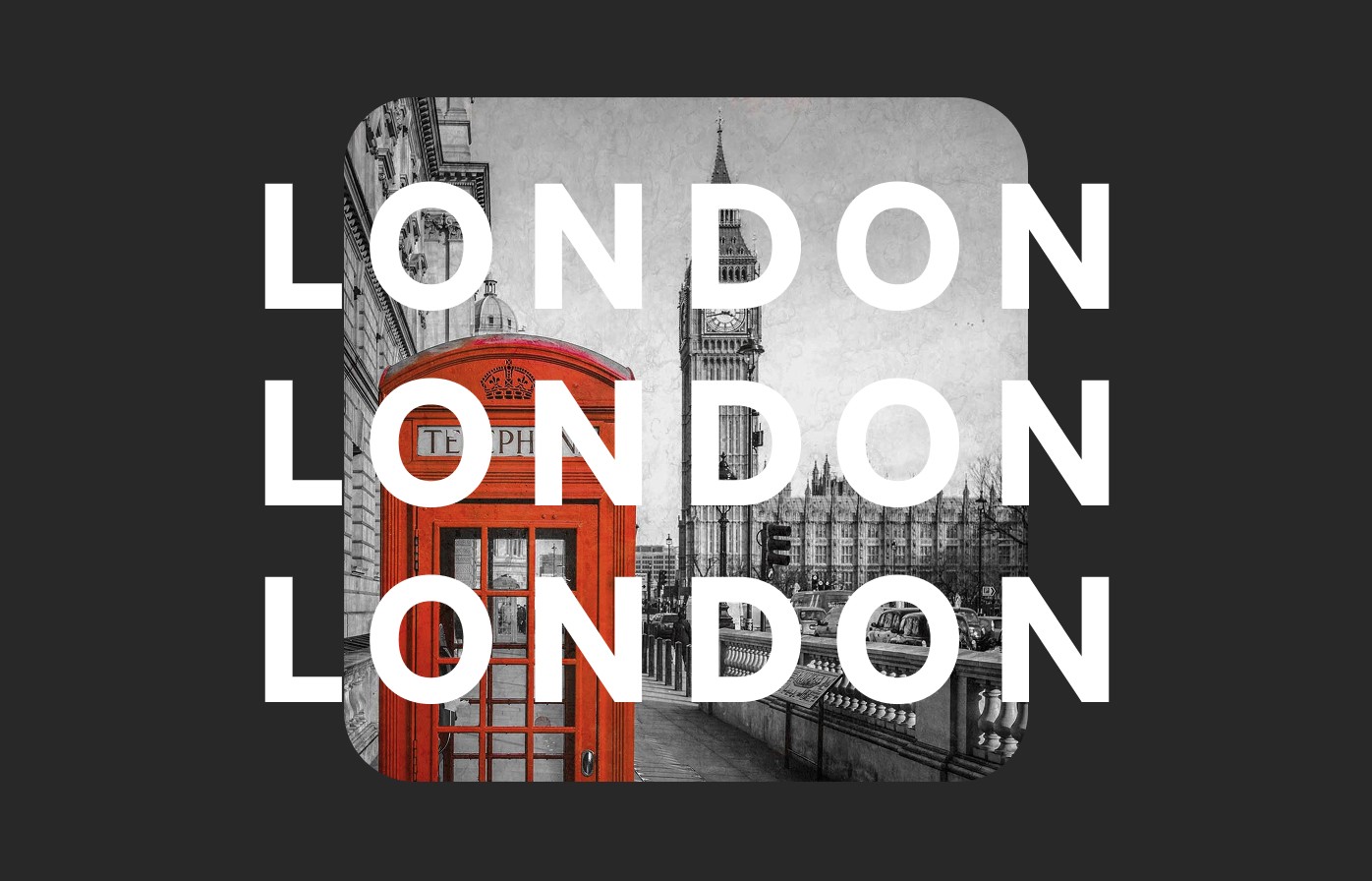
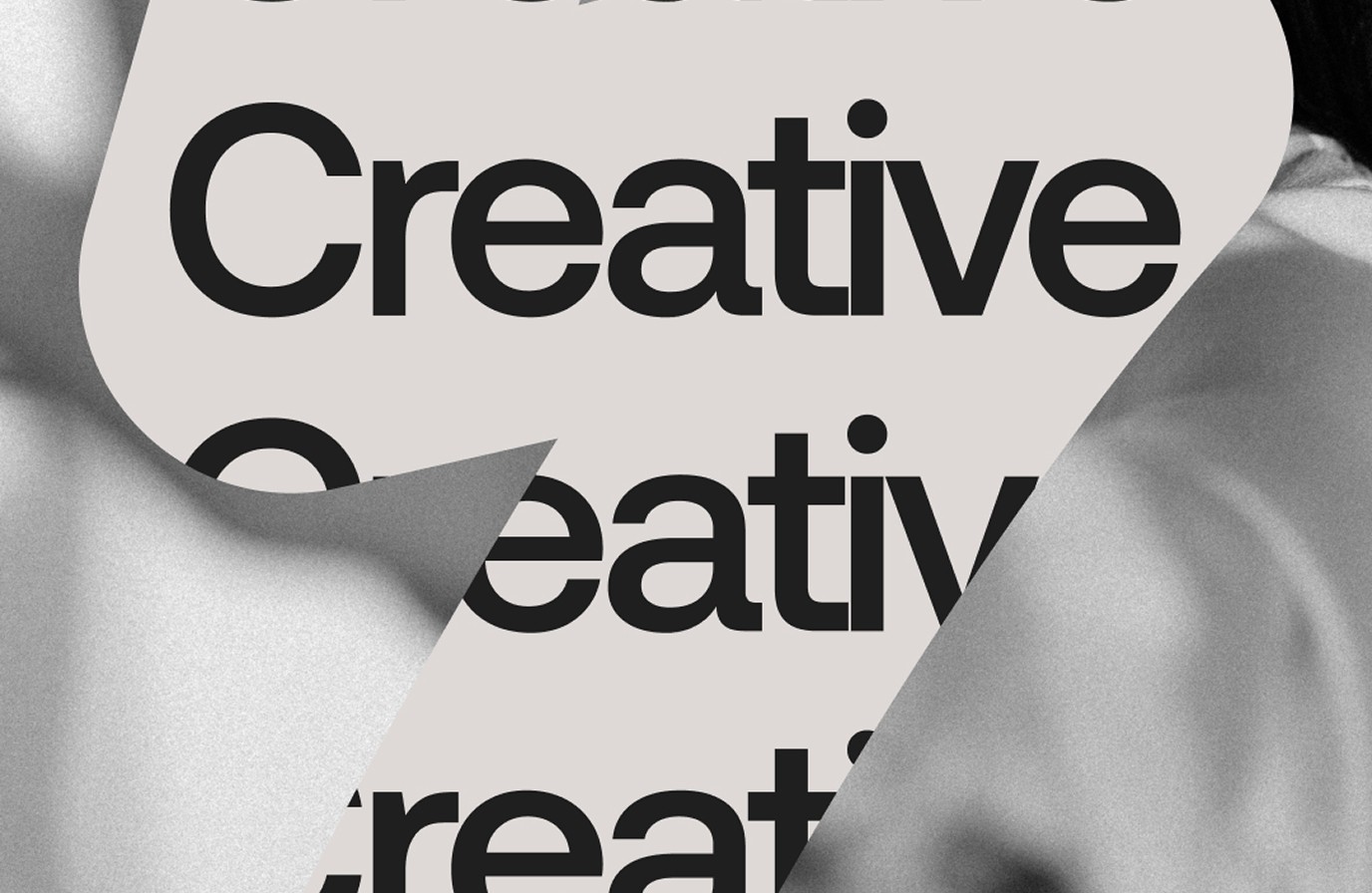
The divide between typography and layout is collapsing. More designers are treating oversized letterforms as structural elements — headlines that span the full viewport, single letters used as visual anchors, text that functions as both content and composition.
This approach demands confidence. It only works when the type choice is strong and the spacing is deliberate. But when it does work, it creates a visual impact that no image can replicate. Peak's own homepage leans into this — the CREATIVE STUDIO treatment sets a tone before anything else loads.
Utility and Personality, Together
Perhaps the most interesting trend is the rejection of the false choice between utility and personality. Designers are finding ways to make type that's highly readable and distinctly characterful — not one or the other. This shows up in custom lettering for tech companies, in editorial-meets-functional type systems for SaaS products, and in the growing popularity of type foundries that specialize in this exact intersection.
What This Means for Your Work
If you're a creative agency, your type choices are a signal — to clients, to the industry, and to potential hires — about the quality and intentionality of your thinking. Staying current doesn't mean chasing every trend. It means understanding what each choice communicates and making it deliberately.
Typography in 2026 rewards the confident and punishes the careless. The good news is that the tools, the fonts, and the references have never been better.