

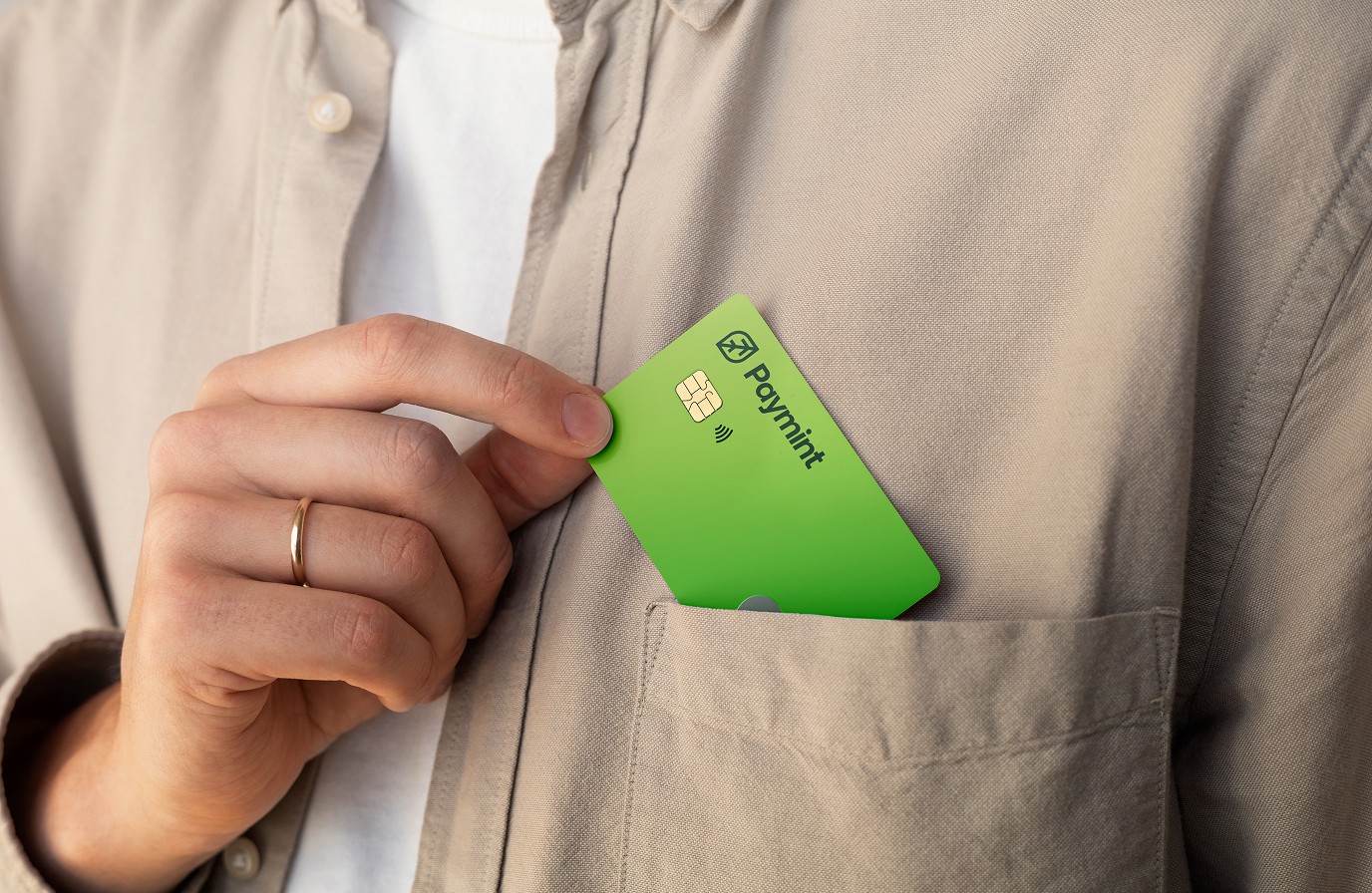
When Paymint came to us, they had a clear vision — make cross-border payments as simple and trustworthy as sending a text. What they didn't have yet was a brand and digital experience that actually felt that way. The fintech space is crowded, and standing out means more than just looking good. It means building trust on sight.
The Challenge
Fintech is one of the most competitive design spaces out there. Users arrive skeptical, and if your brand doesn't immediately communicate security, reliability, and ease — they're gone. Paymint's core challenge was a trifecta: differentiate in a saturated market, build user trust through design, and deliver a seamless experience across every device and platform their users would interact on.
That last point was especially critical. Paymint's users aren't just on desktop. They're checking balances on their phones during commutes, initiating transfers on tablets, and expecting every single interaction to feel consistent and polished, regardless of screen size.
Our Approach
We started where we always do — understanding the people on the other end of the screen. Who is the Paymint user? What makes them hesitate? What makes them feel confident? The answers shaped everything from the color palette to the copy tone to the information hierarchy on each page.
From there, we developed a cohesive brand identity built around three principles: innovation, trust, and simplicity. The visual language had to feel modern without feeling cold, and professional without feeling stuffy. We chose typography that carries weight and authority, paired with a clean layout that lets the product breathe.
The UI/UX work focused obsessively on reducing friction. Every flow — from onboarding to sending an international payment — was mapped, tested, and refined. We asked a simple question at every step: does this make the user feel more confident, or less? If the answer was less, we redesigned it.
The Results
The numbers speak for themselves. After launch, Paymint saw 250,000 new website visitors per month, a 120% increase in average session duration, and $8.4 million raised in subscriptions. But beyond the metrics, the feedback from users told the real story — people felt like they could trust Paymint with their money. That's the outcome we're always chasing.
What This Means for Your Agency
The Paymint project is a reminder that great design in fintech — or any high-stakes industry — isn't about decoration. It's about communication. Every color, every font choice, every animation either adds or subtracts from the user's confidence. When you get that right, the results follow.
If you're a creative agency working in a trust-sensitive space, Peak's portfolio layout gives you the structure to tell stories like this one — clearly, compellingly, and with the visual authority your work deserves.